A 2026 WalletHub study ranked 182 U.S. cities on safety, considering factors beyond crime. The analysis looked at home and community safety, natural-disaster risk and financial security to calculate an overall score for each place.
Top of the list
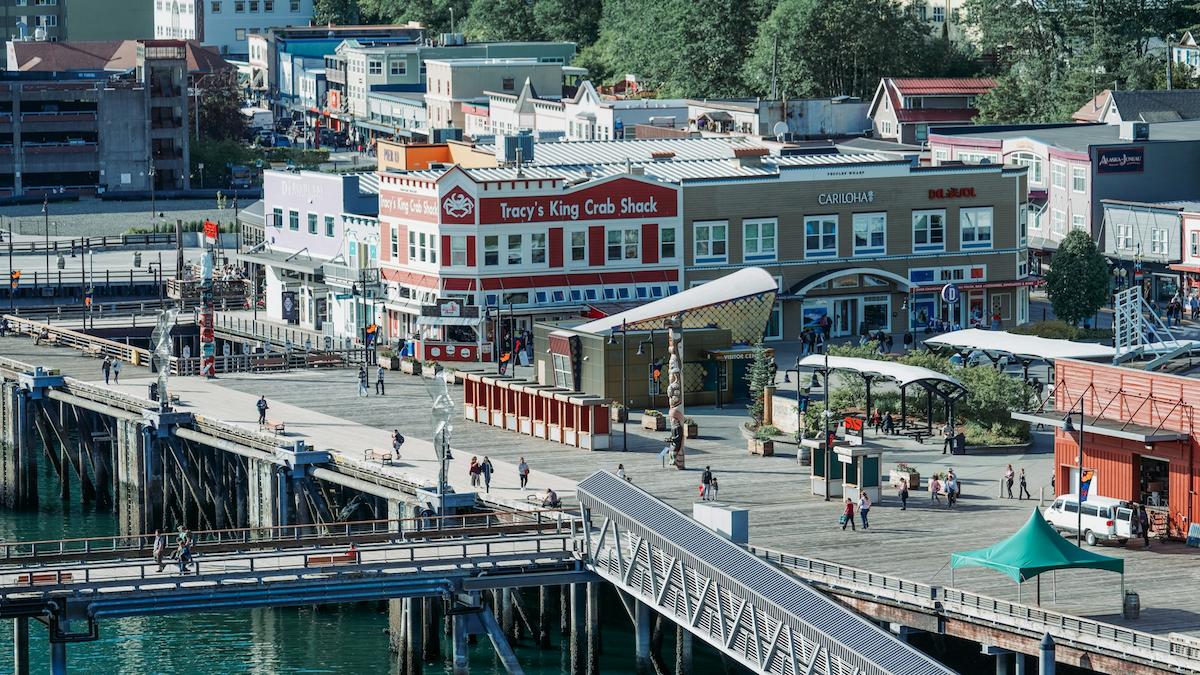
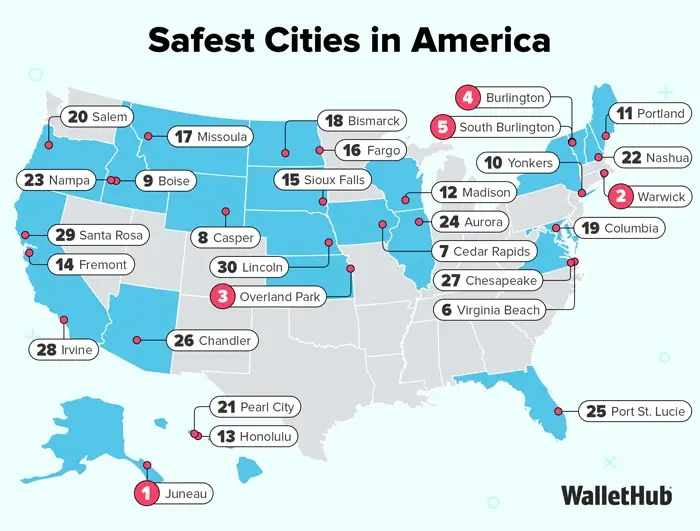
Juneau, Alaska, earned the top spot in the overall safety rankings. The city had the lowest murder rate and lowest pedestrian fatality rate among all cities evaluated. It also ranked first for natural-disaster safety, with second-lowest risk for flooding, second-lowest risk for tornadoes and a top-10 ranking for wildfire risk. Financial safety placed fourth overall.
Warwick, Rhode Island, came in second. WalletHub reported that it had the lowest number of murders of all 182 cities studied and the fourth-lowest number of aggravated assaults per capita. Financial stability added to its score: fewer residents lacked health insurance or lived in poverty compared with other cities.
The rest of the top 10 safest cities were:
- Overland Park, Kansas
- Burlington, Vermont
- South Burlington, Vermont
- Virginia Beach, Virginia
- Cedar Rapids, Iowa
- Casper, Wyoming
- Boise, Idaho
- Yonkers, New York
What pushed places down the rankings
New Orleans, Louisiana, finished last at rank 182. Other cities near the bottom included Detroit, Michigan (177th), St. Louis, Missouri (173rd), and Philadelphia, Pennsylvania (178th). St. Louis ranked 177th in home and community safety and 146th in financial safety.
Detroit held the lowest rank in financial safety at 182nd. Philadelphia placed 176th in home and community safety and 138th in financial safety according to the detailed breakdown.
How the study worked
WalletHub evaluated each city across three dimensions: home and community safety (which includes violent and property crime rates, traffic fatalities, and workplace safety), natural-disaster risk (flooding, earthquakes, wildfires, tornadoes, heat and hurricanes), and financial safety (unemployment, median household income, credit scores, and uninsured populations).
The sample covered the 150 most populous U.S. cities plus additional cities in each state, totaling 182 municipalities. The report was released on October 19, 2026.
Regional patterns
Alaska and New England cities clustered near the top. Anchorage, Alaska, ranked second for natural-disaster risk level overall. Burlington and South Burlington, Vermont, both placed in the top five for safest cities and ranked highly for low natural-disaster risk.
Southern and Texas cities dominated the list of highest-risk areas for natural disasters. The cities with the highest uninsured population percentages were Dallas, Houston, Garland, Brownsville and Laredo, all in Texas.
Context and caveats
Safety scores varied widely across categories. A city could rank well for financial security but poorly for natural-disaster exposure, or vice versa. Overland Park, Kansas, for example, ranked 138th out of 182 for natural disasters yet still finished third overall thanks to strong scores in driver and pedestrian safety plus financial metrics.
WalletHub’s methodology treats financial stress as a safety issue, factoring in unemployment and poverty rates alongside traditional crime and disaster measures. Experts consulted by the report flagged cybercrime, extreme weather and traffic safety among the major concerns shaping urban safety in 2026.